Key Takeaways
- If your project is new drywall, new walls, or a clean repaint with no stain or adhesion issues, primer is still a good idea, but oil based primer usually is not necessarily. A quality water based primer is often enough.
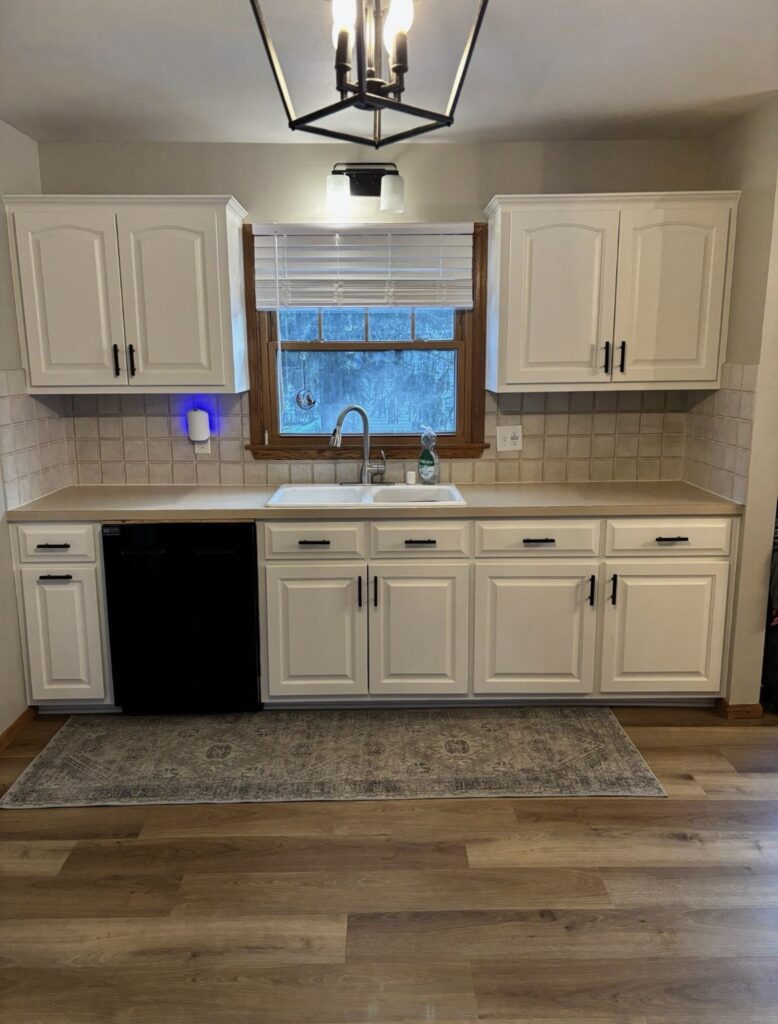
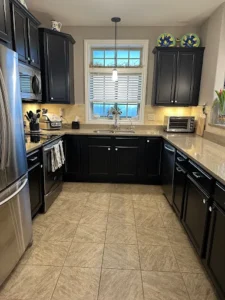
- If your surface is stained wood, trim, cabinets, wallpaper-affected walls, smoke damaged areas, or trouble spots with bleed-through, oil based primer is the better choice because it helps block stains and improve grip. We always use oil primers on cabinets and trim, for example.
- As professional interior painters, we choose primer based on the surface, the prior finish, and the kind of results we want the paint job to deliver. There is no one-size-fits-all strategy.
If you’re standing in the paint aisle or halfway through a repaint wondering “do I need oil based primer”, you’re really asking a bigger question: what kind of primer does this surface need, and what happens if we get that choice wrong?
That’s the right question.
Oil based primer is better at blocking stain bleed, locking down old surfaces, and helping paint grip where a slick or problem surface could cause trouble.
Water based primer is easier to work with, easier to clean, lower in odor, and often a smart fit for new walls, bare drywall, and straightforward repaint work.
The best results will come from matching the primer to the surface, not from forcing every job into the same system. Here’s how our professional painters in Milwaukee think about it.
Oil Based Primer Vs Water Based Primer
Before we talk about whether oil based primer is required, it helps to frame the two main options clearly.
Oil based primer is a stain-blocking, bonding coat. We use it when we need more grip, better blocking, or more protection from problems buried under an old finish.
A good water based primer can also be excellent, especially on clean drywall, newer walls, or surfaces with no history of stain, smoke, wallpaper glue, or prior finish failure. Water based primer tends to dry quickly, cleanup is easier, and the whole process is a little less messy.
That does not mean water based primer is the cheap option and oil based primer is the serious option. It means they solve different problems. In a home with fresh drywall, a water based primer may be exactly what we need. In a home with stained wood, patched walls, or cabinets with years of wear, oil based primers are the safer call.
In fact, we use oil primer on ALL trim and cabinet repainting work that we do.
What Does Oil Based Primer Do?
Oil based primer is a base coat that helps with bonding and blocking.
Bonding matters when the surface is slick, glossy, worn, or previously coated with something that may not welcome a new coat of paint. Blocking matters when something under the surface wants to keep coming back through the finish, whether that is tannin from wood, smoke, water stain marks, old color, or wallpaper residue.
This is why primer and paint are two different decisions. Primer is part of preparation. Paint is the finish layer that gives you the color, sheen, and final look. We may use oil based primer underneath a latex or acrylic topcoat because the primer is doing one job and the finish coat is doing another.
Is Oil Based Primer Always Necessary?
No.
That’s the short answer, and it’s important because a lot of homeowners have the sense that primer is either always required or mostly a waste of money. Neither one is true.
For new walls, bare drywall, and some clean repaint work, we still want primer, but it does not have to be oil based primer. Fresh drywall and joint compound absorb paint unevenly, so a primer coat helps create a more even surface before finish painting starts. In many of those cases, a quality water based primer is a good fit.
Oil based primer is more important when we need it to solve a specific problem. That is where professional judgement matters. We are not asking what sounds strongest on the label. We’re asking what this surface is likely to do after we apply the next coat.
When We Use Oil Based Primer
Cabinets And Other Slick Surfaces
Cabinets fool people all the time. They can look clean and ready for painting while still resisting a new coat thanks to grease, hand oils, cleaning products, and years of prior finish buildup. Even with good sanding and a clean surface, cabinets are one of the places where oil based primer often helps us create better grip.
That extra bond matters because cabinet painting takes abuse. Doors get touched every day. Drawer fronts get wiped down. A weak coat can start showing its age fast.

Stained Wood, Bare Wood, And Woodwork
Wood can be beautiful and annoying in the same breath.
Bare wood can absorb a paint coat unevenly. Stained wood can push old color or tannin back through the finish. Knots and darker areas can start ghosting through a repaint that looked fine at first. Oil based primer helps seal stains and settle the surface before finish painting begins.
If we are repainting trim white, covering stained woodwork, or trying to protect a new finish in the long run, this is one of the clearest cases for oil based primer.
Walls After Wallpaper Removal
Wallpaper removal is a classic setup for primer trouble.
A wall may look smooth and clean after the paper comes down, but tiny amounts of paste can still be there. Water based primer or water based paint can react with that leftover residue and lead to bubbling, flashing, or adhesion problems. This is one reason we often opt for oil based primer after wallpaper removal. It helps lock the surface down before the finish coat goes on.
Stain, Smoke, Water Marks, And Heavy Repairs
Some problems are too deep for a finish coat to hide correctly.
A water stain, smoke issue, patched drywall area, or old mark that keeps returning usually needs more than a quick repaint. Oil based primer is often necessary when we need to block the issue instead of hoping the next coat covers it.
When Water Based Primer Makes Sense
It’s worth saying this clearly because plenty of readers are working on a
DIY painting project and don’t need the heavier solution:
if your project is new drywall, clean walls, or a surface with no stain, no glossy old finish, and no odd history, a quality water based primer can be a very good choice. It is easier to apply, easier to clean, easier to work with in an occupied home, and it can dry quickly enough to keep the job moving.
That is why we use both. We do not force oil based products onto every surface. We choose the type of primer that fits the work.
What Happens If You Skip Primer?
This is where people lose time and money.
Sometimes a skipped primer coat doesn’t fail on day one. The paint may dry and look decent for a while. Then the stain returns, the patch flashes, the color looks uneven, or the cabinet edge starts chipping. When that happens, the problem often gets blamed on the paint, but the real issue started lower in the system.
That is why priming is part of professional painting, not an optional extra we add to pad the job. The right primer gives the next coat a better chance to bond, hide, and hold up.
Can You Paint Over Oil Based Primer With Latex Or Acrylic?
Yes. In most cases, oil based primer can be recoated with latex or acrylic paint once it is dry and ready.
This is another point that trips people up. Oil based primer and oil based paint are not the same thing. We may use oil based primer for bonding or stain blocking, then apply a water based finish coat for the final look. That combination is common because it takes advantage of what each product does well.
Need A Professional Painter Near You?
If your repaint has moved past quick answers and into real surface prep, we can help.
At Culver’s Painting, we handle the sanding, priming, product selection, and finish painting work with the whole system in mind. If you want a professional painter near me or near you who can tell the difference between a surface that needs water based primer and one that really needs oil based primer, reach out to our team.