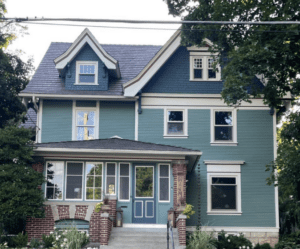
When two quotes for painting the same house or interior are far apart, we find that much of the gap is labor…and most of the labor is preparatory work. Prep work is also the part of the job you can’t see on the day the crew packs up, but that starts to become evident a few Wisconsin years later, when one house’s paint job still looks great while another down the block is starting to peel at the sills.
We spray most of our paint jobs, as this results in a much finer finish. This also means that the prep work is more important than ever – there’s very little room to hide. If that prep work isn’t done correctly, a sprayer puts a smooth new coat right over every problem.
Whether spraying, brushing, or rolling, a lasting paint job comes down to good preparation. So what should a good painting company do before the paint goes on?
What Prep Work Should a Painting Company Do Before Painting?
A good crew cleans the surface, takes off anything that isn’t sticking, smooths rough edges so they don’t show through, fixes or flags rotten wood, seals joints that should be sealed, and primes anything that’s bare or thin. They then protect everything not getting painted.
On a house built before 1978, all of that happens under federal lead-safe rules. The painting industry even publishes standards for different levels of prep.
On a typical Culver’s exterior painting job, the order looks like this:
- Wash the house and let it dry
- Scrape loose paint and sand
- Repair rotten wood
- Caulk
- Prime bare wood
- Mask and cover
- Spray
Before Painting, Does the House Get Pressure Washed?
Yes, a house should be washed before painting every time, and then it needs time to dry. Paint has a hard time sticking to chalky old paint, dirt, or mildew. Mildew should, ideally, be treated rather than painted over. After power washing, we let a house dry for about a week before any paint goes on.
How Much Scraping Is Enough?
Everything loose comes off, while sound paint that’s still well bonded can stay. A putty knife scraped gently across paint can tell you a lot. If paint flakes off or you see bubbles beneath the old paint, it’s time to scrape.
The step that makes the difference is often feather sanding the edge of larger scraped spots so the line where old paint meets bare wood doesn’t reappear as a ridge under the new coat. When paint is alligatored or cracked across the grain, scraping may not be enough and the surface may need stripping. We cover that in our guide to repainting original wood trim.
What Extra Prep Does Spraying Take?
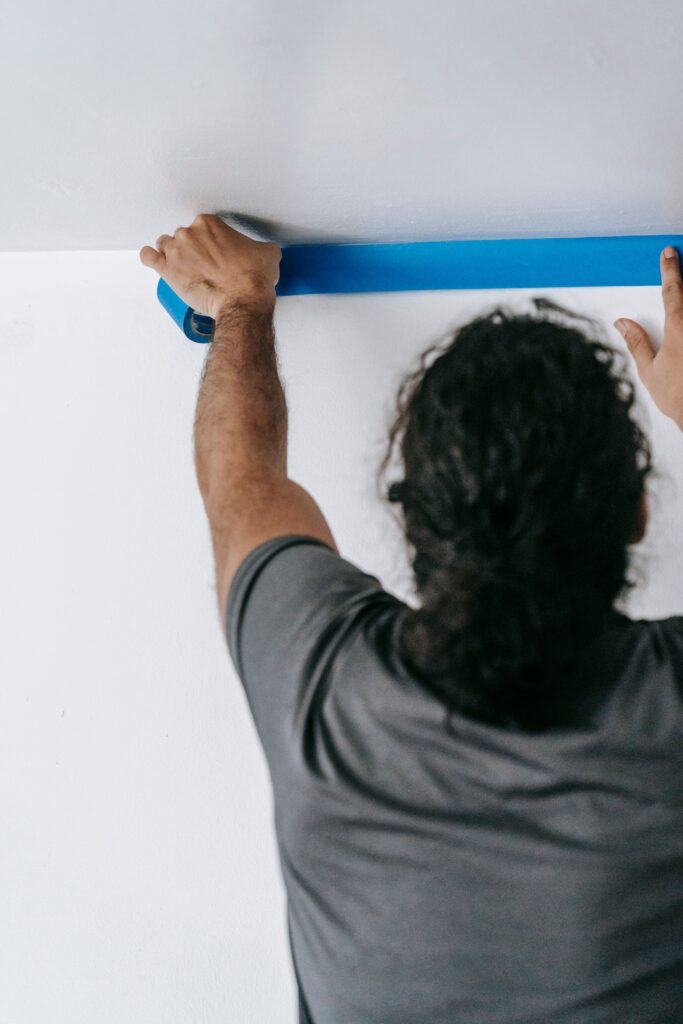
Spraying paint requires good masking and covering.
Overspray travels quickly, so everything that isn’t getting paint gets wrapped and taped well before the first pass: windows, trim, doors, light fixtures, the roofline, decks, walkways, plantings, and anything nearby. We also keep an eye on the wind, since a breezy day can carry paint where it doesn’t belong!
Spraying doesn’t hide skipped prep. A smooth, even coat makes an unsanded patch easier to see.

What Should a Painter Caulk, and What Should They Leave Open?
Caulk the vertical joints where water gets in from the side, like where trim meets siding, butt joints, and around windows and doors. You can leave the bottom edge of lap siding open.
Tiny amounts of water get behind siding no matter what, and that small gap at the bottom of each board is how it gets back out. Caulking it shut can trap moisture behind the paint.
Does the Whole House Get Primed, or Just the Bare Spots?
Bare wood always gets primed. On exterior wood siding, pine or cedar trim, and anything that bleeds tannin, our default is an oil-based primer. Clean, sound, previously painted surfaces with no stain or adhesion problems can take a water-based primer or go straight to finish coats.
We’ve written more about when oil-based primer is necessary, oil versus shellac primer, and oil paint versus latex.
What Happens When the Painter Finds Rot?
A good painter stops, shows you the problem, and prices out the repair before covering anything.
Paint over soft or rotting wood won’t hold up for long. A screwdriver is the easiest way to check, and our old-house checklist shows how. We handle carpentry repairs in-house here at Culver’s, and we put any change in writing before the work continues.
What Prep Is Different on a House with Lead Paint or Built Before 1978?
The steps are the same, but lead-safe rules change how we approach it.
Under EPA’s renovation rules, the ground gets covered with plastic 10 feet out from the wall on exterior work and 6 feet out on interior floors. Open-flame burning isn’t allowed, power sanding needs a shroud and HEPA vacuum, heat guns have to stay under 1,100°F, and a certified renovator checks on the cleanup at the end.
That’s how we approach lead-safe painting, which you can read more about here.
What About Prep Inside the House?
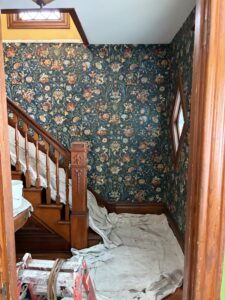
For interior painting preparation, furniture gets moved and covered, floors are protected, outlet and switch plates come off, nail pops and cracks get filled and sanded, and glossy trim is scuffed so the new coat grabs.
How Do You Know If a Painter’s Prep Is Any Good?
Ask them to walk you through it!
Most estimates, ours included, don’t list every prep step, so the best way to compare painters is to hear each one describe what they’ll do before the painting happens.
Get a Free Estimate on Your Painting Project
We’ll walk your house with you, point out what needs attention, and explain what we’d tackle and why. Request a free estimate to get started.
Common Questions
Is power washing enough prep?
No. Washing is the first step. It doesn’t remove failing paint that’s still hanging on, and it doesn’t fix bare wood or open joints.
Can you paint over peeling paint?
Not if you want it to last. New paint is only as good as the layer underneath it or the surface to which it is adhering.
How long after rain can you paint a house?
The surface has to be fully dry, which usually means waiting at least a day after a heavy rain. Paint over damp wood is more likely to peel.
Should old, cracked caulk be removed before painting?
Yes. Caulk that’s cracked or pulling away gets cut out and replaced. Running new caulk over a failed bead doesn’t seal the joint for long.
Is prep work priced separately on a painting estimate?
Not usually. Normal prep is part of the price we quote. If we find something unexpected, like rotten wood, we show you and price the repair before the work continues.
What should I do to get my house ready before the painters arrive?
Move cars out of the driveway, clear furniture and decorations off porches and decks, and trim back any plants touching the walls. Our old-house checklist has more on what to take care of before the crew shows up.