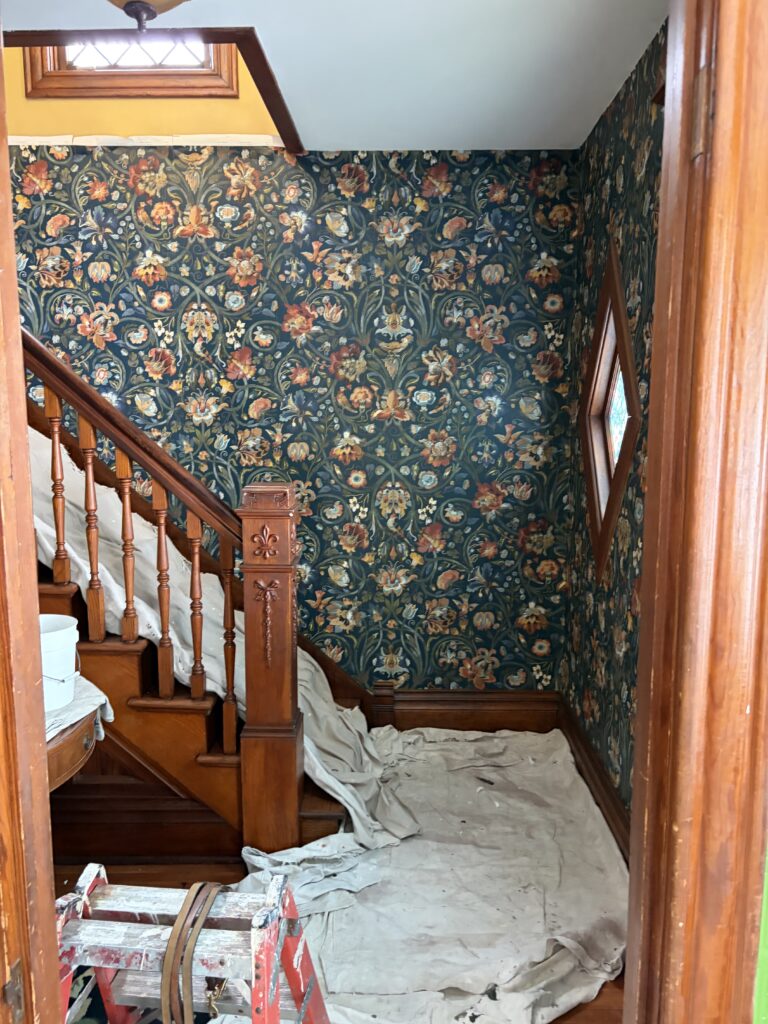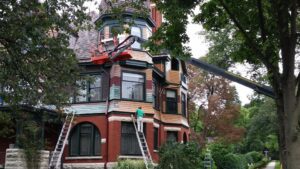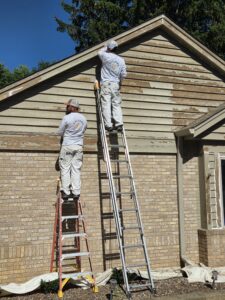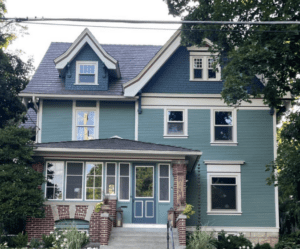
Painting an old house isn’t the same job as painting new drywall or new trim. Plaster walls in old homes will crack and sag in ways drywall doesn’t; choosing a color for a 1912 bungalow is different than for a house built in 1998 if you’re trying to stay period-accurate; and if your house predates 1978, there’s a good chance the layers of paint underneath were made with lead, which changes how we approach the project for safety.
Here’s what we walk through with prospective customers in old homes to help them better understand some of the nuances of painting an old house, from trouble spots to colors.
Most of it takes an afternoon and costs nothing. If you want a professional painter’s eyes on your house, a free consultation from Culver’s is is exactly that.
How Old Is Your House, and How Do You Find Out?
The year your house was built can tell us a few things about what to expect before painting.
You can find your home’s construction year in about two minutes through the City of Milwaukee’s Assessor’s Office Data page, searchable by address, which returns year built alongside the current assessment and building details. Most people don’t know this is public, and it’s fun – and important – information to know.
Two dates are important here. If your house was built before 1978, its paint is legally presumed to contain lead until testing shows otherwise, per the ban the Consumer Product Safety Commission enacted that year. The EPA says the odds are as high as 87% for homes built before 1940.
If your house was built before roughly 1930, you’re also looking at original plaster rather than drywall, covered next.
What’s Failing, and Can You Find It Yourself?
Grab a flathead screwdriver and press it gently into the trim around your windows and doors, the bottom courses of your siding, the fascia, and the soffits, anywhere water tends to sit or freeze. If it sinks in without much resistance, that’s soft wood, and soft wood needs to be dealt with before anyone paints over it. Bubbling paint or dark staining at a joint is a similar signal.
This isn’t a professional inspection, but it’s enough to walk into your painting quote already knowing something about the potential for repair needs. It’s close to the test our own crew runs before quoting a job.
Not sure what you need? A good professional painter will provide the right guidance before throwing on any paint. If we find rot, we handle the carpentry first, not instead of painting.
What If Your Walls Are Plaster, Not Drywall?
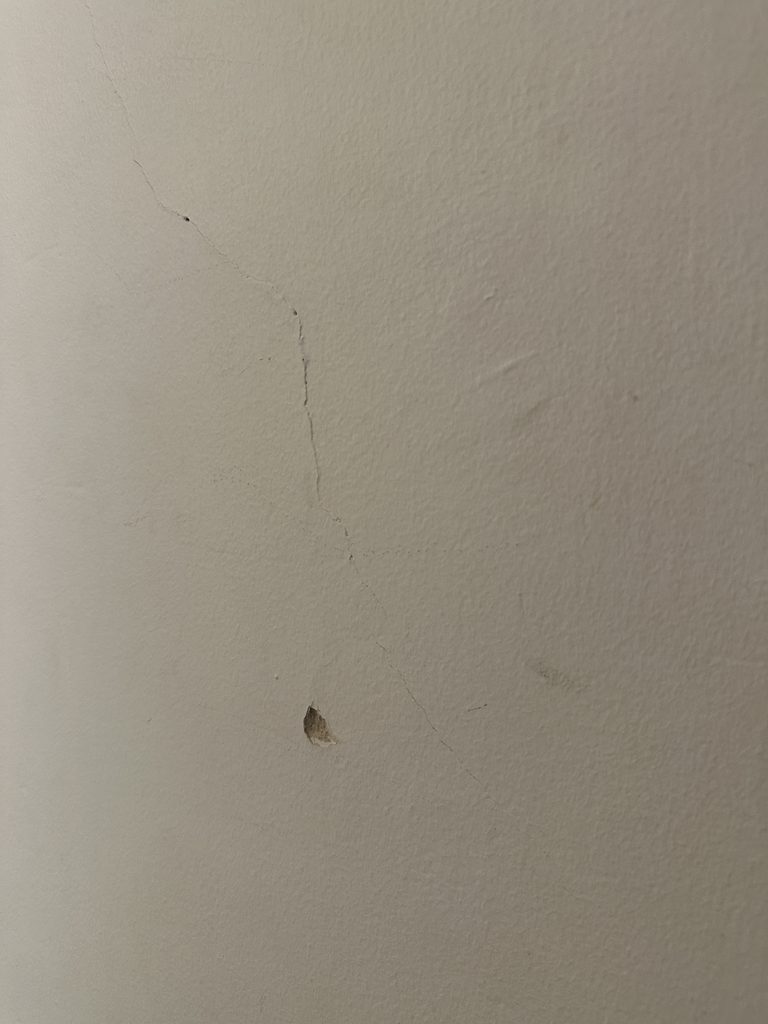
If your house predates roughly 1930, the interior walls are almost certainly made of keyed lath and plaster rather than drywall. Plaster, over time, develops cracks. Hairline map-cracking across a wall is usually cosmetic and not urgent. A bulge, a hollow sound when you knock on it, or a widening crack means the keys, the ridges of plaster that lock into the lath, likely have broken loose behind it. That’s a structural problem, and paint won’t hide it for long.
The National Park Service’s guidance on repairing historic plaster recommends keeping sound plaster wherever possible, since it’s part of the building’s fabric and often carries the house’s history in the layers underneath.
Deeper cracks mean more repairs might be necessary. A good painting company will know how to handle this, but it’s worth sorting out before you decide what to paint next.
How Do You Test for Lead Paint?
A certified inspector shows up with a handheld XRF analyzer, holds it flat against the surface for a few seconds, and gets a reading through every layer of paint down to the substrate. No scraping and no sample bags. It’s the same technology customs agents use to screen cargo, pointed at your window trim instead.
This is a different animal from the swab kits sold at hardware stores, which sometimes aren’t precise enough to act on with confidence, especially on a surface with many layers where the swab only reaches the top one or two. A certified lead inspection in Milwaukee generally costs $200 to $400 and gives you solid answers.
A positive result doesn’t mean we have to tear off all of the old paint, either. Most lead paint on most old houses gets managed and covered, not removed, a very different scope and bill. What that looks like is covered in our posts on lead-safe painting practices and how remediation differs from abatement.
What Are You Keeping and What’s Coming Off?
Almost all the craft in an old-house repaint happens before the finish coat, in the decision about what comes off and what stays.
Sometimes the goal is getting the original color scheme back with new paint, and other times a homeowner doesn’t want it painted at all. They want the wood itself back: bare, stained, visible grain. We’ve stripped trim on Milwaukee houses and found quartersawn oak nobody knew was under the paint, and doors with a bead detail buried under five coats that turned out gorgeous.
Stripping paint is a bigger job than a repaint, since every profile has to come off by hand. Not every painted surface is hiding something worth uncovering, though: a lot of turn-of-the-century trim was a cheap softwood painted from day one, and stripping it down usually disappoints.
If paint needs to come off and lead is confirmed, federal regulation prohibits heat guns above 1,100°F, the point at which lead vaporizes into fume rather than just softening. Infrared strippers run roughly 200°F to 400°F, well under that threshold.
Scraping a shallow bevel through the layers on a protected section of trim shows you the house’s actual original color scheme, not a guess from a paint chip. That’s the technique we use on historic Milwaukee homes.
Is Your House in a Historic District?
Historic district designations can affect the colors you use when painting your house, as well as renovation practices. This designation is parcel by parcel in Milwaukee, not by neighborhood, so two houses on the same block can have different rules.
If your house is designated, exterior color changes are usually reviewed by the city before work can begin. Interiors aren’t regulated at all. Confirm your address with the city before you pick a final color.
How Do You Pick Period-Accurate Colors?
Start with the bevel scrape from the section above; it shows what your house used to look like. On Victorian exteriors the sash color especially tends to surprise people, looking strange on a paint chip and correct once it’s back on the house.
Alternatively, Sherwin-Williams’ Historic Color Collection is a practical starting point for period-specific paints since it’s nicely organized by era.
If your house is in a historic district, exterior color changes go through city review before work starts, so the color picking needs to happen weeks before the scheduled painting.
When Should You Paint Your Milwaukee Home?
Exterior work happens in Wisconsin’s shortish warm season, but interior work can happen year-round.
One detail worth knowing: before painting an exterior, the house gets a good bath. And after we wash a house, we let it dry a full week before doing any painting to make sure there is no residual moisture.
Interior work isn’t season-dependent at all, so if the exterior calendar is tight, we can pivot to the inside.
What to Do Before the Crew Arrives
Move furniture and breakables away from the work area, exterior and interior alike.
If lead is confirmed, expect containment: sealed plastic sheeting, warning signs, and HEPA vacuums. Ask ahead of time what happens to your plantings if the painting happens along a foundation bed, since roots don’t love being walked on for a week.
Still not sure what your house needs? That’s what a walkthrough is for. Get in touch for a free consultation, and we’ll tell you plainly what we’d do, and what we wouldn’t!
Common Questions Before Painting an Old House
How can I tell if my house has lead paint? The only certain way is an XRF inspection, reading straight through the paint layers with no scraping. Age is a strong clue too: EPA data shows almost 90% of homes built before 1940 have lead paint, versus 24 percent built between 1960 and 1978.
Do I need a lead inspection before painting? Not legally, unless the work will disturb painted surfaces on a pre-1978 home being renovated for a child under six or a pregnant occupant, in which case federal law requires it. Practically, testing first means fewer surprises.
Can you paint over lead paint? In many cases, yes, sealing it under a proper system is a recognized, lower-cost way to manage it rather than remove it. The right approach depends on the paint’s condition and location, which is why an inspection is worthwhile.
How much does lead testing cost in Milwaukee? Generally $400 or less for a certified inspection, depending on the size of the house and number of surfaces tested.
How old does a house have to be to have plaster walls instead of drywall? Roughly pre-1930 in most of the Milwaukee area, though drywall started appearing in some new construction earlier than that and plaster persisted in higher-end homes later than that. The walls themselves are the real answer, not just the year